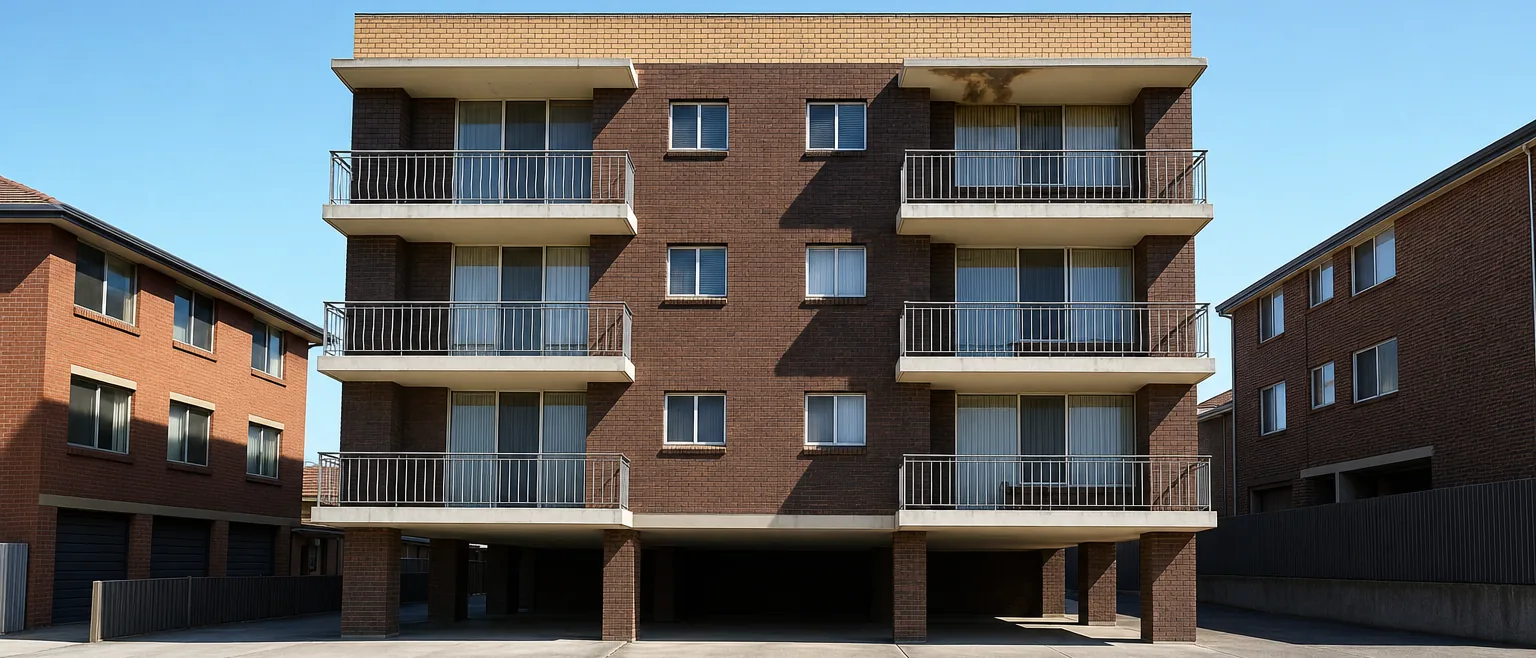
Sydney, NSW
Balcony Waterproofing Sydney
We take balcony waterproofing enquiries across nine Sydney suburbs and pass each one to a licensed local waterproofer. Tell us whether the building is an apartment block or a house and what the balcony is doing, and you will get a scope and a price from someone who has stood on it.
- One local waterproofer, not a lead auction
- Apartment and strata balconies, not just houses
- Nine suburbs across seven councils
What we cover
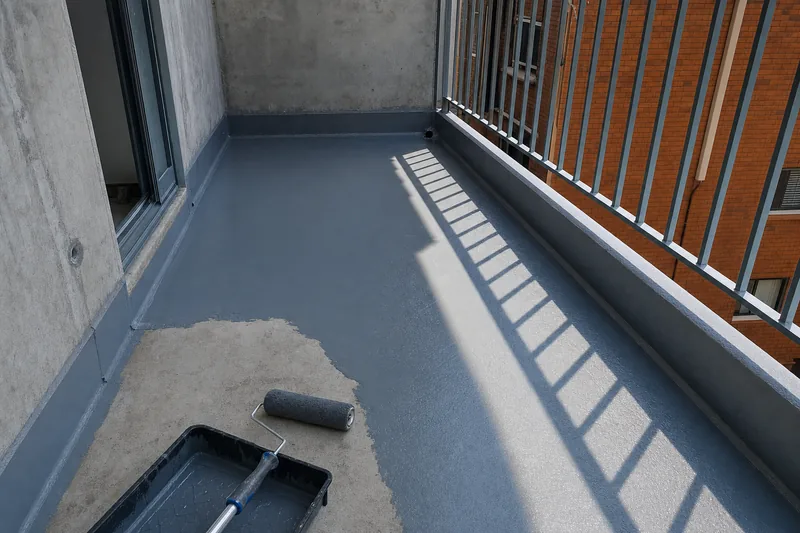
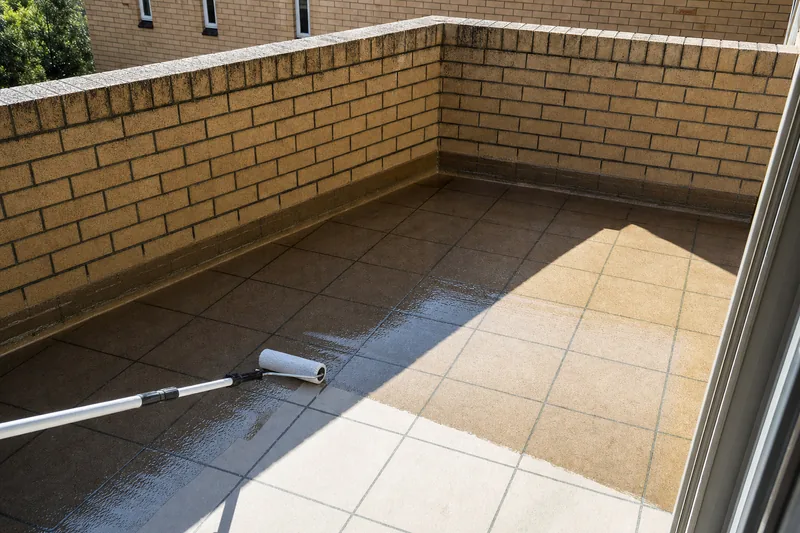
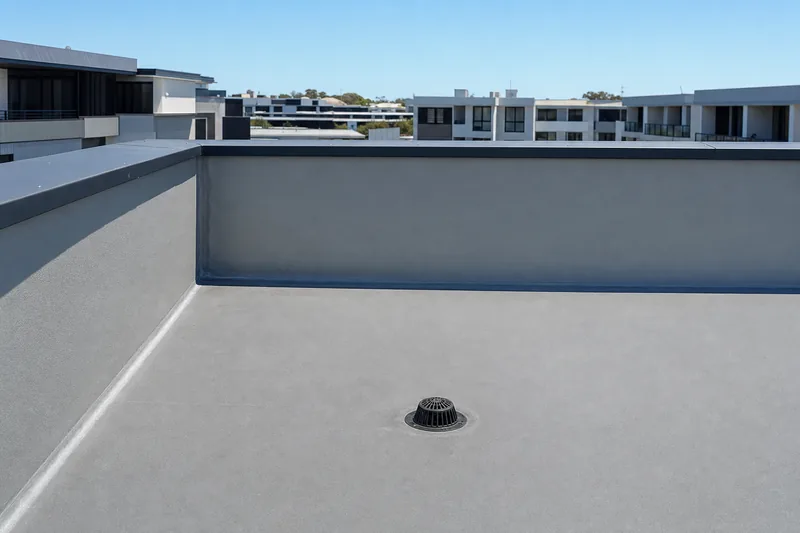
Balcony Waterproofing services in Sydney
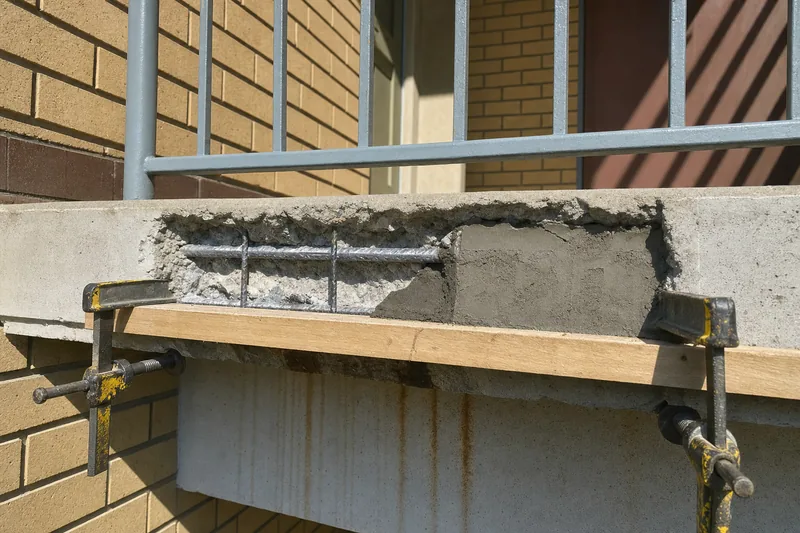
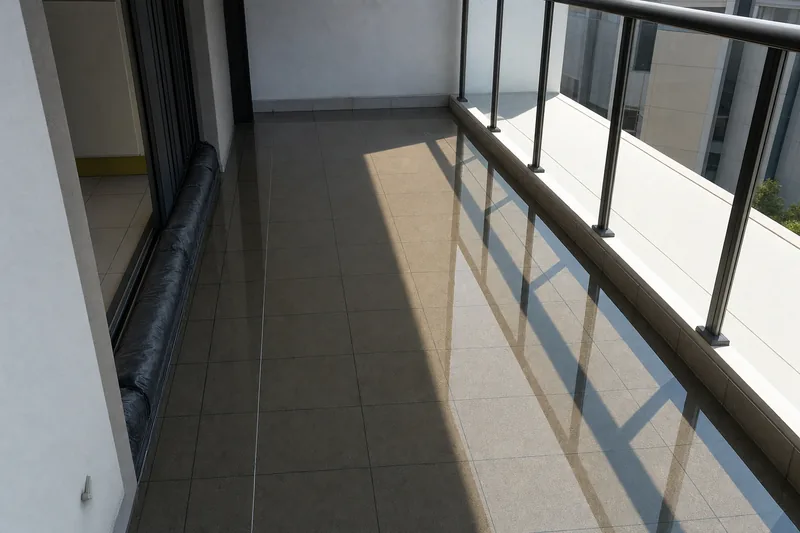
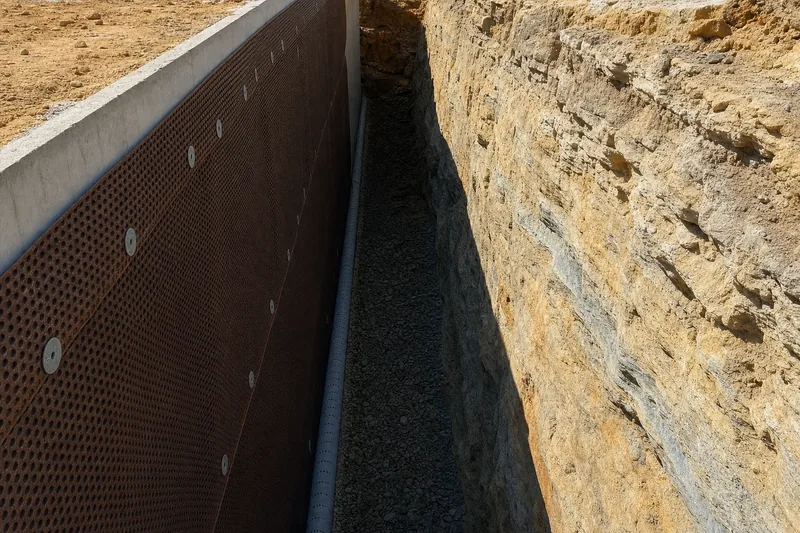
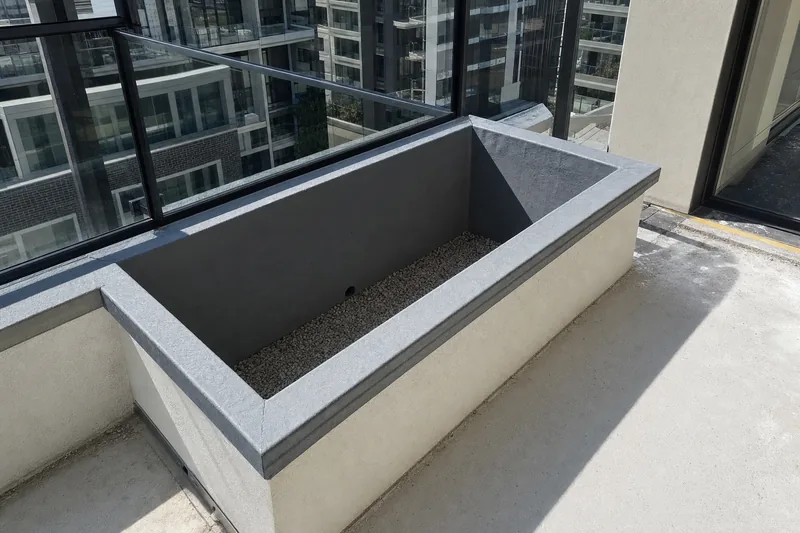
Why it matters
Four things worth knowing before you call anyone
- On an apartment balcony in NSW, the law names waterproofing directly. Waterproofing is named in the Design and Building Practitioners Act 2020 (NSW) as a building element, and repair or protective treatment of a prescribed building counts as building work under that Act. The prescribed classes include class 2 — the classification that covers apartment buildings. Where the regime applies, a regulated design has to be prepared and a design compliance declaration provided by a registered design practitioner, and it applies with no dollar threshold at all. It does not reach every balcony in Sydney. It reaches balconies on a regulated building, so a freestanding house is a different question from a unit block, and that is worth settling before anyone quotes. Source: Design and Building Practitioners Act 2020 (NSW) s 6(1)(b), s 4(1)(c); Design and Building Practitioners Regulation 2021 (NSW) cl 12(1), cl 13(1)(b), read at legislation.nsw.gov.au on 3 September 2026.
- Sydney's leaking season is autumn, not summer. Two Bureau of Meteorology stations agree on the shape of Sydney's year. Mean rainfall peaks in March and again in June, and bottoms out in September — June runs at roughly double the September figure at both stations. A membrane that has failed does not announce itself in a single thunderstorm; it announces itself after days of steady rain, which is what March to June delivers here. That is why the enquiries arrive in a different month from the ones a Brisbane operator would expect. Source: Bureau of Meteorology climate statistics, Sydney (Observatory Hill) station 066062 and Sydney Airport station 066037.
- Every suburb we cover is at least two and a half times the state's apartment share. Across New South Wales, 21.7 per cent of occupied private dwellings are flats or apartments. In the nine suburbs on this site the figure runs from 55.7 per cent up to 89.5 per cent. Macquarie Park records no separate houses at all. That is not a marketing line about density — it is the reason a balcony trade has enough work here to specialise rather than treat balconies as an add-on to bathrooms. Source: Australian Bureau of Statistics, 2021 Census, occupied private dwellings by structure.
- One local waterproofer receives it. It is not sold on. This site is operated by a marketing company and connects you with a licensed local provider. Your enquiry goes to that provider, not into a lead pool to be resold to whoever pays most that morning. The number on this page is tracked so the provider can be held to answering it.
How it works
From enquiry to quote
- Tell us what the building is. Apartment block, townhouse, or a freestanding house. That single answer decides whether the Design and Building Practitioners regime is even in the conversation, and it changes what a quote has to cover.
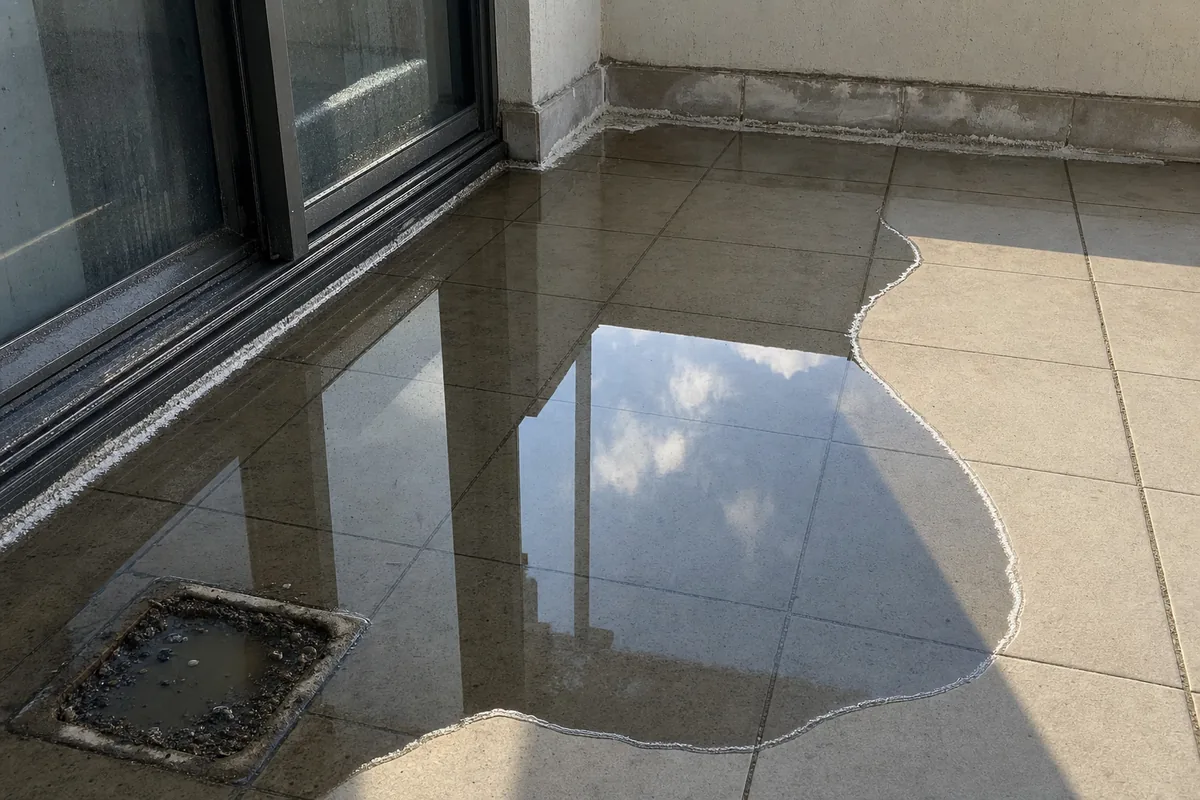
- Tell us what the balcony is doing. Water standing after rain, tiles that sound hollow when tapped, a white powdery bloom weeping from a grout line, or a stain on the ceiling of the flat below. Each points somewhere different.
- A local waterproofer inspects it. Falls, outlets, upstands and the junction where the floor meets the door are checked on site. A balcony cannot be quoted honestly from a photograph.
- You get a scope and a price. Written, itemised, and specific to your slab — including whether the tiles have to come off, which is the question this market genuinely disagrees about.
Balcony Waterproofing across Sydney
Sydney is an apartment city in the suburbs this site covers. Across New South Wales 21.7 per cent of occupied private dwellings are flats; in these nine suburbs the figure runs from 55.7 per cent in Ryde to 89.5 per cent in Macquarie Park, which records no separate houses at all. That is why balcony work here is usually strata work, and why the first question is about the building rather than about the tiles.
Where we work
Suburbs we cover
Nine suburbs across seven councils, from Randwick in the east to Macquarie Park in the north-west. Two of them — Kogarah and Lane Cove North — are split between two councils each, so the right authority to ask about a council requirement depends on the address rather than on the suburb name.
- Sydney
- Randwick
- Ryde
- Chatswood
- Mascot
- Kogarah
- Macquarie Park
- North Sydney
- Lane Cove North
- Dulwich Hill
Service area only. This site publishes no street address.
- Sydney
- Randwick
- Ryde
- Chatswood
- Mascot
- Kogarah
- Macquarie Park
- North Sydney
- Lane Cove North
- Dulwich Hill
Get a quote today
Call (02) 9072 0403 or send the form and a local waterproofer will come back to you.
Call (02) 9072 0403